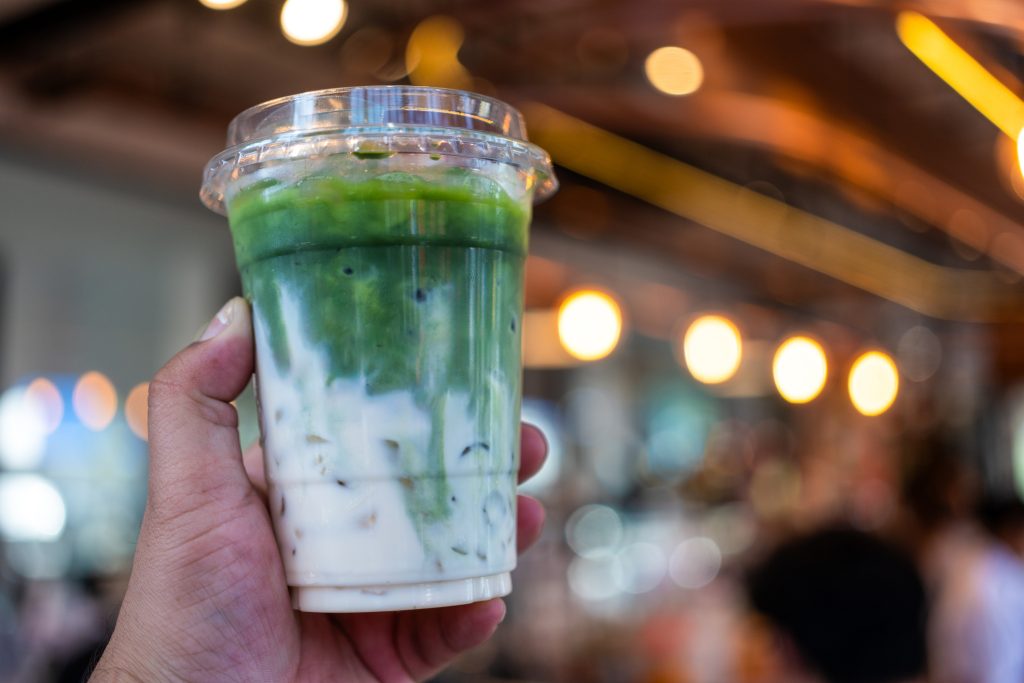

A £3 pastry, an extremely expensive smoothie, a scented candle you didn’t need, but definitely wanted – these small purchases, spontaneous and emotionally charged, are fuelling what’s become known as little treat culture – a trend particularly among Millennials and Gen Z that’s not showing any signs of going away.
On the surface, it might look like impulse buying or a bit of over-indulgence. But this isn’t just about spending – it’s about agency, comfort, and control during a period of time where many bigger goals feel increasingly out of reach.
What is little treat culture?
Little treat culture is the act of finding joy in small, feel-good purchases – a kind of micro-reward system that helps punctuate the everyday. It’s the self-gifted serotonin boost after a rough week, a pick-me-up on payday, or a mid-afternoon dopamine hit.
The treats aren’t necessarily cheap; a “little treat” might be a luxury lip balm, a matcha latte from a trending café, or a new pair of headphones. But it’s the framing that matters. These purchases are positioned as deserved, manageable indulgences, rather than financial recklessness.
The avocado toast effect, version 2.0
There’s a deeper economic backdrop to this. Millennials and Gen Z are, by and large, locked out of the housing market. Even those earning good salaries often feel that home ownership is a distant dream. High rents, rising living costs and inflation have eroded the traditional markers of financial progress.
Owning a home once symbolised stability and success. Without that milestone, younger generations are reworking what reward and fulfilment look like. Instead of saving for a mortgage deposit (that might still be years away), many are choosing to enjoy life now, investing their disposable income in moments of pleasure rather than far-off goals.
In this context, little treat culture becomes more than just fun. It’s a form of self-care, autonomy, even resistance.
The role of content culture
Social media has supercharged this trend. TikTok, Instagram and YouTube are full of content celebrating these micro-moments – from “treat yourself” routines and mini-hauls, to ASMR unboxings and “what I bought after a bad day” posts. Sharing the act of treating oneself has become part of the ritual.
These platforms have helped normalise, even glamourise, small indulgence – especially when wrapped in a narrative of self-compassion or wellness. The viral $20/£15 smoothie might have raised eyebrows out of context, but positioned as part of a “soft girl Sunday” or “clean girl aesthetic”, it’s become aspirational.
Why brands should care
Little treat culture opens up a powerful space for brands – one where emotional resonance, personal gratification, and everyday luxury all come together.
Some examples of how brands are leaning into it:
- Beauty: Brands like Glossier, Fenty Beauty and Typology create product experiences that feel gift-like, even at entry-level price points. The packaging, branding and tone of voice all reinforce the idea of treating yourself
- Food and drink: Pret’s subscription model positioned coffee not as fuel, but ritual. Brands like Tony’s Chocolonely, Dash Water and Trip (CBD drinks) turn everyday items into mood-enhancing indulgences
- Retail and lifestyle: Oliver Bonas, Anthropologie, and Etsy sellers thrive on the idea that small, beautiful, relatively affordable items can elevate the everyday
This is also fuelling the popularity of:
- Mini formats (travel-size, tester kits)
- Limited editions (only available this month)
- Pop-up experiences and collabs
All of which create a sense of novelty and specialness that plays into the psychology of the treat.
So how can brands respond?
- Frame your product as a reward, not a necessity
Even functional products can be elevated when positioned as part of a feel-good ritual. Emotional value is just as important as practical benefit. - Create rituals, not just purchases
Brands that link into daily or weekly rituals; the Friday takeaway, the Sunday skincare routine, etc, can become part of consumers’ lifestyles, not just their shopping list. - Speak their language
Tone of voice matters. Playful, emotionally intelligent copy helps reinforce the treat-like nature of a product, from the checkout message to the packaging insert. - Don’t shy away from premium pricing where appropriate
If the product feels special, consumers will often justify the spend. For many, it’s not that they can’t afford a $20 smoothie, it’s that they can’t afford a house.
Final thoughts
Little treat culture is a reflection of shifting values in a period of economic pressure and emotional fatigue. Brands that understand this aren’t simply selling products – they’re offering comfort, control and self-celebration, one small indulgence at a time.